Parents are often worried that their kids cannot enjoy a good holiday in a certain destination. A parent recently raised such a question in a Croatia travel group: she would be in Split for four days with her five-year-old daughter, before the rest of the family arrived and they all headed onward to Hvar. No car. Staying central. What can they actually do in Split?
It's worth answering properly, because the honest version of this answer is longer and more useful than what fits in a comment.
Žnjan is the easy answer and a genuinely good one. Since its 2025 redevelopment, it has shallow water, a long promenade, and enough going on nearby that a five-year-old won't run out of things to look at. If you're staying central without a car, you'll likely need a short Uber or Bolt ride, or one of the city buses that run there — it's not within comfortable walking distance of most central accommodation, especially with a small child in tow.
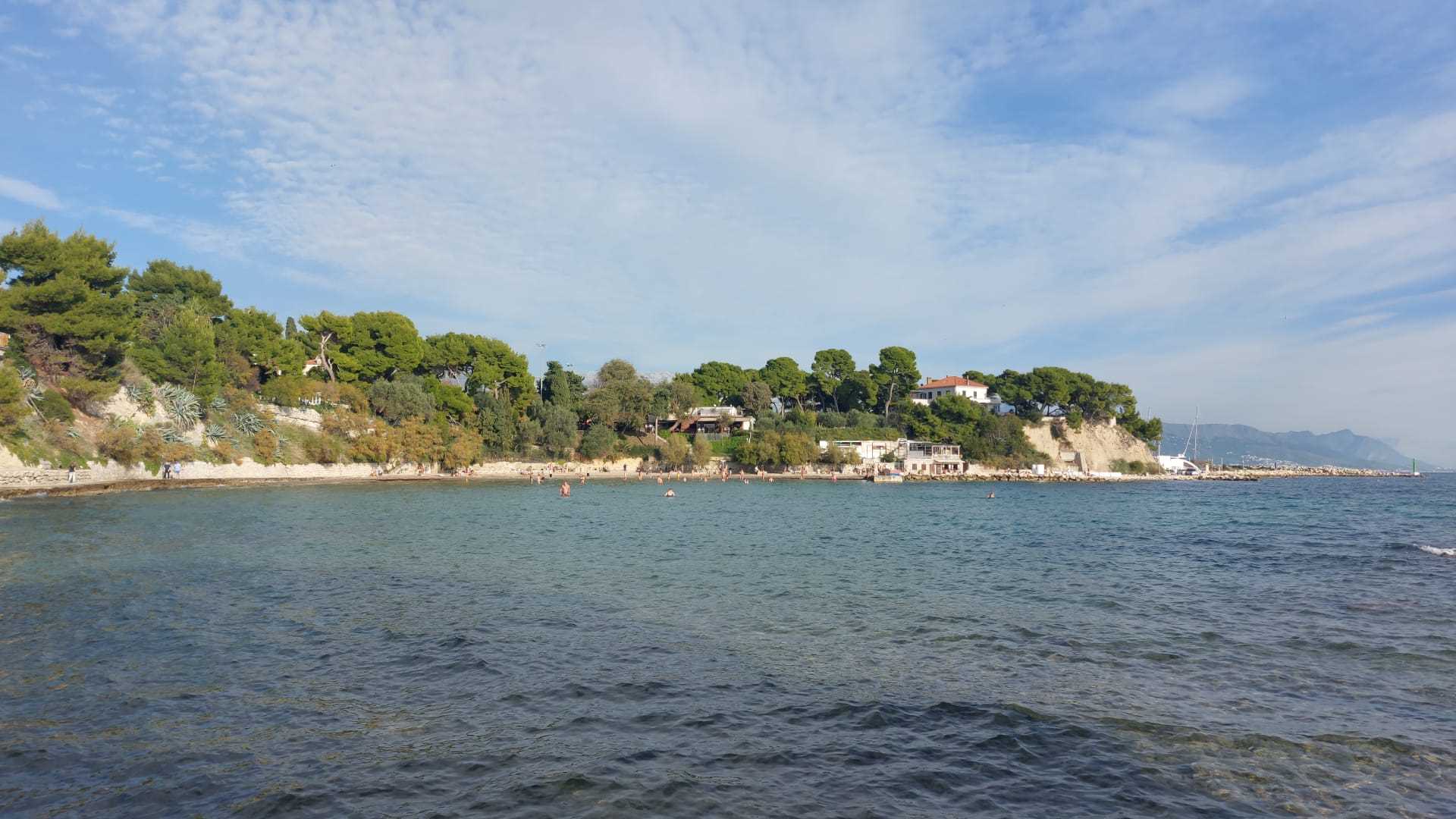
Bačvice, by contrast, usually is within walking distance if you're staying centrally, and its famously shallow, gently sloping sandy bottom is about as forgiving as Adriatic swimming gets for a young child still finding their feet in open water. When sand and water become less interesting, kids can go to the playground next to the beach for a change.
For older children — most of the guests I've hosted who attempted the Blue Cave with their kids had children closer to at least seven or eight. The Blue Cave specifically requires a speedboat, since reaching Biševo island takes longer and the cave entrance itself needs a smaller, more maneuverable boat to navigate. Blue Lagoon trips are more varied — some operators run them by speedboat, others by larger traditional wooden boats or catamarans, which are steadier and generally a gentler ride for a nervous child or a nervous parent. If a smooth ride matters more than speed, it's worth asking specifically which type of boat a Blue Lagoon tour uses before booking, since both options exist side by side. Either way, ask the operator directly about minimum ages and what the journey itself is actually like — a magical destination loses its magic quickly if getting there was miserable.
Museum of Illusions, just behind the northern edge of Diocletian's Palace, is squarely aimed at families and tends to land best with children roughly six and up — old enough to engage with the perception tricks and enjoy the photo opportunities, but not so young that the concept is lost on them. It's air-conditioned, which matters more than it sounds like in August, and an hour or two is generally enough time to see everything. Worth knowing before you go: it's a modern, internationally franchised attraction with no connection to Split's actual history — which is fine, and sometimes exactly what a tired family needs on a hot afternoon, but worth knowing so you're not expecting something locally specific.
The Selfie Experience Museum gets a more mixed response, and I'll be honest about why: it tends to land well with younger children and less well with teenagers, who are often unimpressed by the concept and occasionally vocal about the price. If you have a mix of younger and older kids, it might be worth sending the younger ones in with one parent while the teenager finds something else to do nearby.
The main city library (Gradska knjižnica Marka Marulića) has a genuinely good children's corner on the ground floor — books, toys, a comfortable space designed for young children, free to use. Beyond that, the main library and libraries across Split run a full programme of summer workshops and activities every year. Some require pre-booking and fill up quickly, but it's always worth checking what's on and trying your luck even on short notice — a spot occasionally opens up.
When parents do want a few hours break even during their holidays, there are indoor playgrounds where your little ones can play with other kids.
Split runs a genuinely substantial calendar of children's activities through the summer, for a simple reason: Croatian school summer holidays run from roughly mid-June to the first week of September — eleven weeks or more. Local children would be extremely bored without a packed programme, so the city, several museums and various independent organisers provide one.
The Museum of Fine Arts runs occasional summer art workshops for children — past sessions have covered art history through storytelling, aimed at engaging young children with the museum's collection in a format that actually holds their attention.
A Facebook page called "Split za djecu" (Split for Children) tracks local events and activities aimed specifically at families — it's run by and for local parents, which means the listings are genuinely current rather than aimed at tourists, and worth a look regardless of your dates.
For older children and teenagers, laser tag and similar activity centres exist in Split and are usually a reliable way to burn off a few hours of energy that a museum won't absorb.
Luda Baba — the name translates, roughly and affectionately, to "Crazy Grandma" — is the largest outdoor karting track in Dalmatia, located in Kamen on the edge of the city. It runs a dedicated kids' karting section alongside the main adult track, plus group and birthday packages that bundle racing with pizza and drinks at the on-site restaurant. It's the kind of place that solves an entire afternoon in one stop for a family with energetic children of mixed ages, and the food court means nobody has to leave to eat.
Local media often publish a running summer programme covering concerts, festivals, performances and special events across Split and the wider Dalmatia region — worth a search closer to your actual travel dates. An easier way is of course to check with your hosts once you are in town.
The Falconry Centre near Šibenik (Sokolarski centar Dubrava) is a genuine rescue and rehabilitation centre for injured birds of prey, not a zoo — visitors can observe falcons, owls and eagles up close, and on weekends there are educational presentations where a falconer talks through the birds' behaviour and the centre's work. It tends to resonate more with school-age children who can follow the explanation than with toddlers, but the chance to be close to a bird of prey at that distance is memorable at almost any age. It's roughly an hour from Split by car, so this one does require either a rental car for the day or a private driver — not something to attempt by public bus with a small child in tow.
Alka in Sinj is on a different scale entirely — Croatia's largest historical knights' tournament, a genuinely huge national event held every year, with riders in traditional costume competing in a centuries-old jousting tradition. It is spectacular and completely unlike anything else in the region. But it draws enormous crowds, especially on the final day when the actual tournament takes place. If your dates happen to align with it, it's worth seeing — but be prepared for serious congestion in Sinj itself.
Sinj also has its own Alka Museum, open year-round regardless of whether your visit coincides with the tournament itself. It's a genuinely modern, well-built museum — multimedia displays, an interactive video game recreating the 1715 battle that gave rise to the tradition, and a life-sized model of a rider striking the alka at full gallop. Multiple visitors specifically mention it working well for children, who tend to respond to the horses, the costumes and the hands-on screens regardless of whether they understand the full history. It's a sensible alternative for families who want a sense of Alka without the crowds of the actual event, and there's a separate Children's Alka Tournament, a smaller annual event built specifically for younger participants, if your timing happens to align with that instead.
Horse breeding and riding has been part of Sinj's identity for over three centuries, well beyond the tournament itself, and the town has five equestrian clubs along with the second-largest horse racecourse in Croatia. Several of the clubs run riding schools for beginners of various ages, which is worth knowing if your child is the sort who lights up around horses regardless of jousting history — though it's worth contacting a specific club in advance to confirm minimum ages and what they offer for young or first-time riders, as this varies from club to club.
None of this requires elaborate planning. A central stay in Split with a young child works perfectly well on foot for the basics — Bačvice for swimming, the library's children's corner for a rainy or overheated afternoon, the Old Town for wandering, various children's playgrounds across the city for pure fun. The completely renovated children's playground in Zvončac is re-open in June 2026. Žnjan and the museums require either a short rideshare or a bit of advance booking. The bigger day trips — falconry, Alka, more demanding boat excursions — are worth knowing about, but make more sense with either a car, a few extra years on your child's age, or both.
What I'd genuinely suggest above everything else: ask your host once you arrive. Local events calendars shift week to week, and whatever is specifically on during your actual dates will almost always beat anything written months in advance — including this.
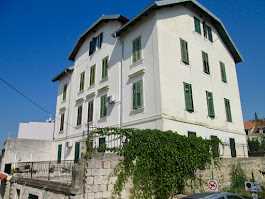
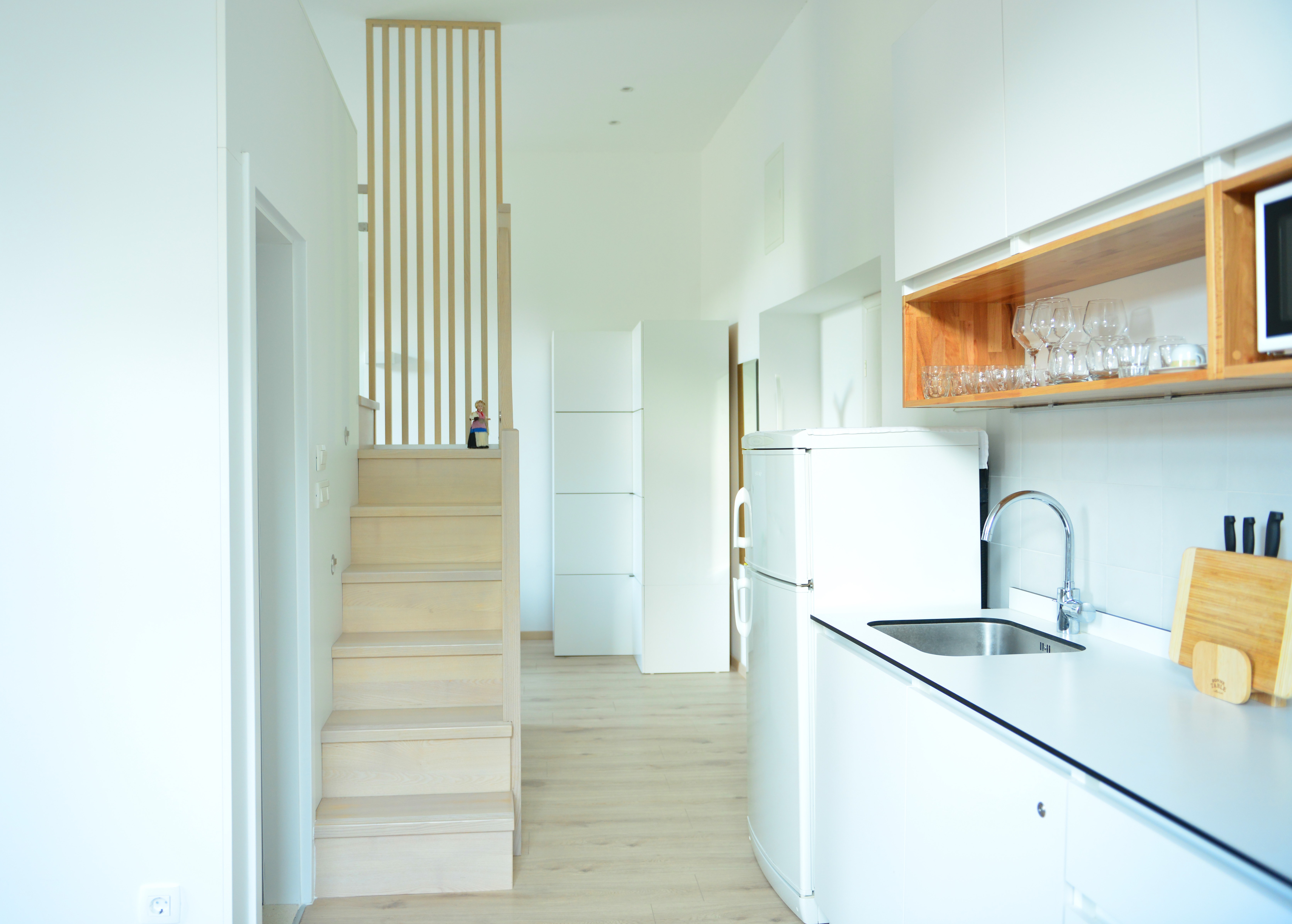
Valeria Teo has lived in Split's Radunica neighbourhood for over 15 years and holds Croatian citizenship. She operates 3 Flowers Holiday Rentals — rooms and apartments in central Split, all within walking distance of Diocletian's Palace, Bačvice Beach and the ferry port. Travelling with young children and not sure what's on during your stay? Ask before you arrive — she usually knows what's happening that particular week. threeflowerssplit.com