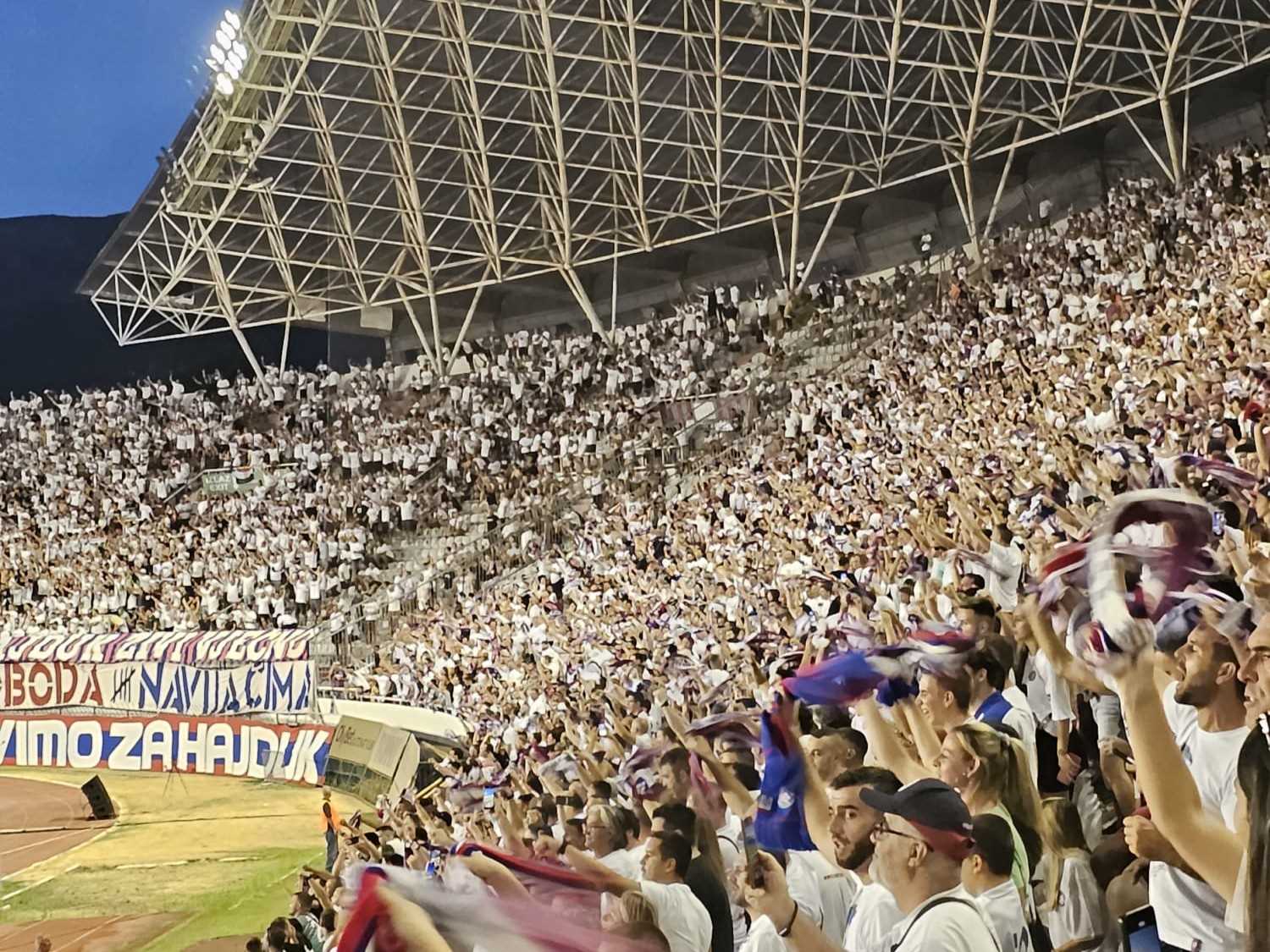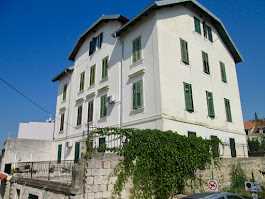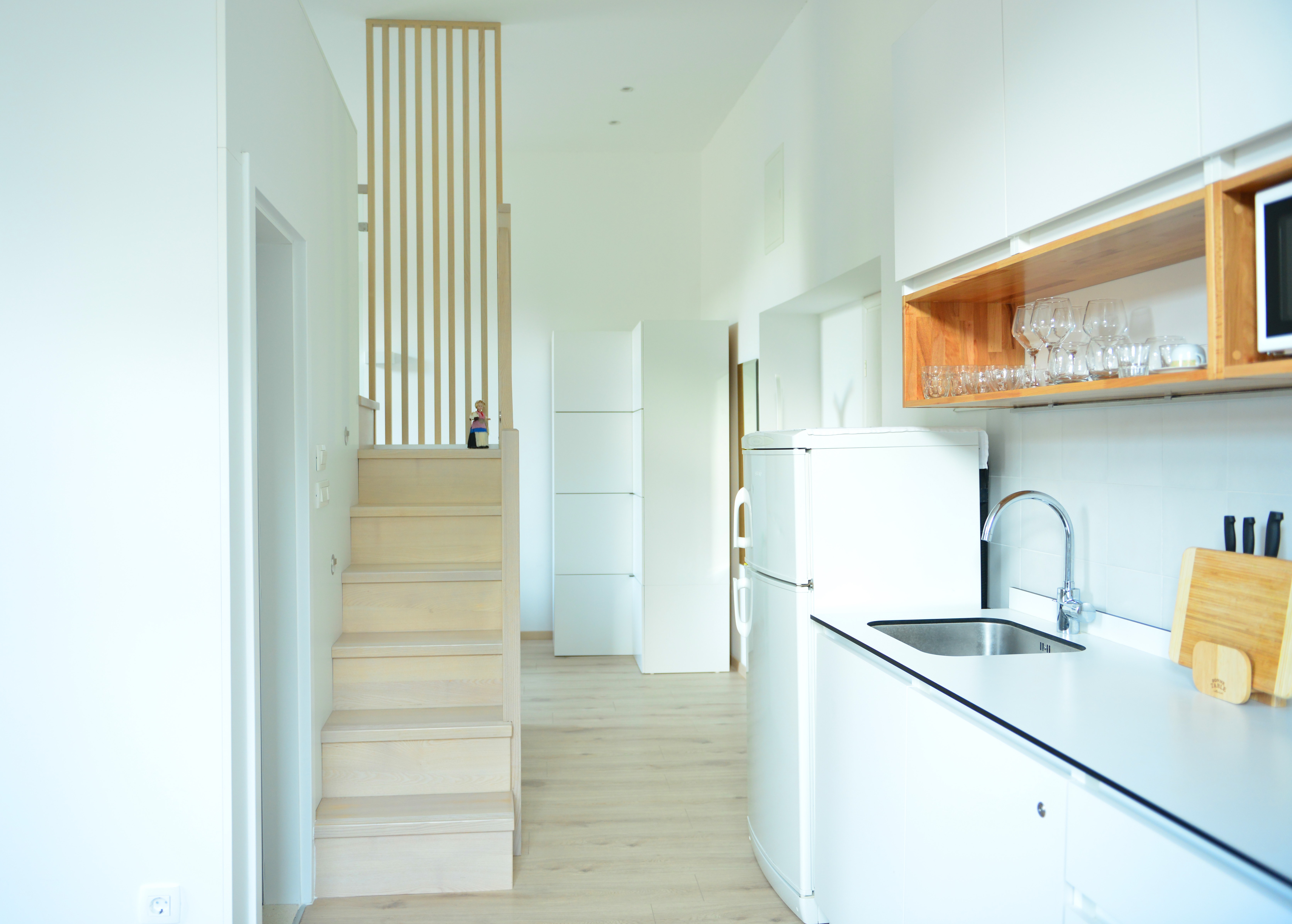
In May 2026, I had a conversation on the street with a lovely Canadian couple. They were asking for directions. Their happy surprise of running into a Cantonese conversation in Split made it a particularly warm exchange. Having heard all the good things they experienced in Croatia. I learnt that they were actually staying at the hotel directly across the street from our properties.
They were the type of guests who always booked a hotel. The husband was curious about our private accommodations and asked about our nightly rates. When I told him, he looked genuinely surprised. Depending on the size and type of the apartment, they were paying two to four times more for their hotel room than our guests for our listings.
This is understandable. Hotels have significant overhead and charge accordingly for larger rooms and amenities. And since this hotel sits on the same neighbourhood as our apartments, location cancels out entirely as a variable — we are on equal footing there.
It left me wondering what that premium is actually buying. And what, if anything, is costing beyond money.
Let's be specific. That hotel includes breakfast. It has a lobby bar, a cigar lounge, a wellness spa, a gym, and secured parking.
Now let's look at the same neighbourhood without the hotel:
Breakfast. There are excellent local breakfast spots and bakeries a few minutes' walk away. My guests try a different one each morning if they like — the same café every day is a choice, not a requirement. If they don't like the first place, there's a second, a third, a fourth.
Bars. The Old Town is around the corner. There is no shortage.
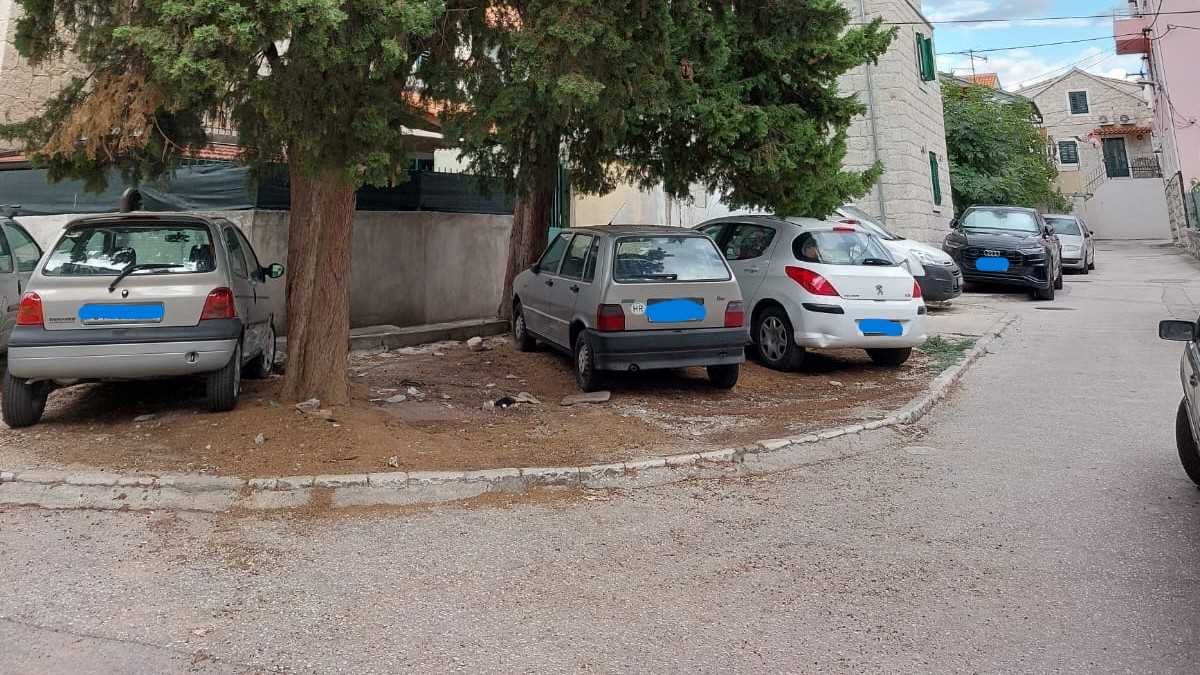
Parking. There is a large paid parking lot directly behind that hotel. Available spaces can be checked in real time using the local parking app. Anyone staying nearby has access to the same information.
Wellness, gym, massage, spa. Local people live here. We also need massages, workouts, manicures and haircuts. These services exist in the neighbourhood independently of any hotel. When guests staying with us ask, I point them in the right direction.
If a traveller arrives in Split with a spa, a sauna, a jacuzzi, or a cigar lounge as a genuine non-negotiable — the hotel makes sense. There is no argument there. Know what you need; choose accordingly.
After twelve years as a host, I have come to recognise certain guests who are genuinely better suited to a hotel. There is no judgment in this — it requires only honest self-knowledge.
Those who need daily housekeeping. Some people cannot function on holiday without someone else managing the space around them. Years ago, I hosted two guests who nearly bombed my en-suite room after three or four nights. The volume of mess was genuinely unprecedented in my hosting career. If they had communicated with me, I'd have done something extra during their stay. I actually prefer it to the big "bomb" at check out. They taught me that a hotel with daily housekeeping is not a luxury for these guests — it is a practical necessity.
Those who love the prestige of a branded establishment. The logo, the uniformed staff, the sense of institutional quality — these things matter to some people. A branded hotel delivers a particular kind of status and reassurance that a private apartment does not try to replicate.
Those who rely on hotel staff for daily navigation. If you prefer to ask a concierge where to go each morning rather than figure it out independently or ask a host, a hotel front desk is built for exactly this. Some people travel this way and enjoy it.
Those who are not comfortable with private accommodation and want a familiar framework. Some guests have simply never stayed anywhere other than a hotel and find the whole concept of private rental slightly uncertain. This is a perfectly valid position. Ironically, I have heard numerous stories from guests whose hotel bookings were cancelled last-minute — but the sense of institutional security that a hotel provides is real and worth something to the right person.
Those travelling on corporate accounts. The branded invoice, the VAT receipt, the recognisable name on the expense report — these things matter for reimbursement and corporate travel policies. Private accommodations in Croatia are obliged to issue invoices, however.
Those with significant mobility or accessibility requirements. Branded hotels have legal obligations around accessibility that private accommodation is not always equipped to match. For guests who need reliable, verified accessibility, a hotel is the safer choice.
If you recognise yourself in any of these, book a hotel. It is the right decision for you.
There is a phrase I encounter constantly in travel conversations, online and in person, that I find both completely understandable and faintly impossible: "Can you suggest something not too touristic?"
Restaurants, sights, neighbourhoods — and sometimes, accommodation.
Let me be honest about this. Whenever we visit a place away from home, we are tourists. It does not matter what we call ourselves, how casually we dress, or how deliberately we avoid the obvious landmarks. The moment a visitor enters a "non-touristic" local space, that space changes slightly. You cannot entirely escape your status as an outsider — but you can choose how you inhabit it.
The question is not how to find something non-touristic. The question is how to be less touristic yourself.
Many years ago, a friend and I stayed in a licensed Bed and Breakfast in Paris — not an Airbnb in the contemporary sense, but a single en-suite room inside the owner's own apartment. She lived there with us. We used her kitchen and her dining room. Over seven nights, we had countless conversations over coffee and shared meals. We talked about her life after her husband had passed, how her adult kids struggled to support themselves in Paris, the stark realities Parisians faced, what we loved about Paris and France ... We understood Paris through her everyday life in a way that no hotel could have offered.
That experience did not make Paris less touristic. It made us less touristic. We were not consuming a city from behind a glass panel — we were guests in a real home, with the particular kind of attention and respect that requires.
I am not a hotel person. When I stay in a hotel — I am usually forced to because of flight problems — I feel immediately and completely like a tourist. Not in the pejorative sense, but in the literal one: I am in a contained, managed environment that exists to serve visitors. Everything about it reminds me that I am passing through. If I find a city I love, I want to feel at home in it, not at a remove from it. A hotel, however comfortable, closes that door.
The choice between a hotel and private accommodation is not really a battle of amenities, breakfast options, or square footage. It is a question of what kind of traveller you want to be on this particular trip.
The hotel traveller is a customer or consumer. You pay a premium to remain, in a sense, shielded — from the daily friction of local life, from the need to find things independently, from the experience of a neighbourhood on its own terms. Sometimes you want exactly this. After a long journey, or a difficult week, or simply on a trip where you need everything handled, the managed environment of a hotel is genuinely the right choice.
The private accommodation traveller is a guest. You step into an actual street, in an actual neighbourhood, buy your pastries from the bakery down the lane, figure out the parking app, and exist — briefly — in the texture of a real place. Whether you take advantage of this depends entirely on you. A private apartment does not automatically make you a better traveller. But it does open the door.
The Canadian couple across the street were warm, curious, and clearly good travellers. They were spending more than they needed to for the same location. Whether they were finding it worthwhile — only they can say. That is, in the end, the only question that matters.
Valeria Teo has lived in Split's Radunica neighbourhood for over 15 years and holds Croatian citizenship. She operates 3 Flowers Holiday Rentals — rooms and apartments in central Split, all within walking distance of Diocletian's Palace, Bačvice Beach and the ferry port. If you are trying to decide whether our accommodation is the right fit for your trip, she would rather you ask before booking than discover the answer on arrival. threeflowerssplit.com