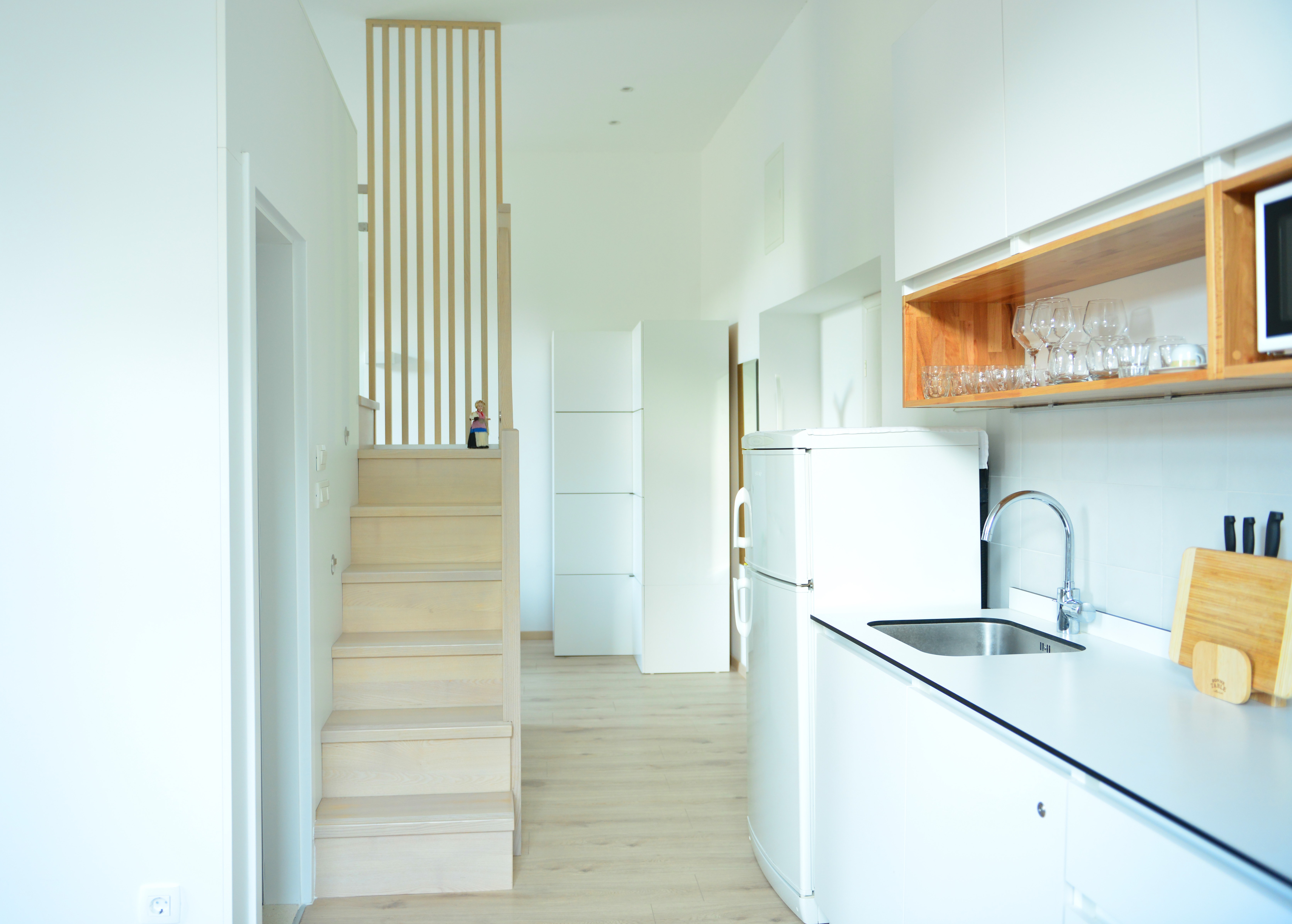
If you've ever agonised over where to stay on a trip — central but expensive, cheaper but far — Split might be the city that finally ends that debate. Because here, staying central doesn't just mean convenience. It means you get everything, within a walk that most people would happily take after breakfast.
Split is unlike any other city in Croatia. And arguably unlike most cities in Europe. Here's why.
Most cities spread their transport infrastructure across different parts of town. You fly into an airport on one edge, catch a train at a station in another district, find the bus depot somewhere industrial, and stumble onto ferries at a port disconnected from everything else.
Split threw that playbook out.
The ferry terminal, the catamaran port, the intercity bus station and the train station are all within a few minutes' walk of each other — and all of them sit right on the waterfront, a short stroll from Diocletian's Palace, the beating heart of the Old Town.
Land by sea from the islands? You step off and you're already there. Arrive by bus from Dubrovnik or Zagreb? Same. Catch the train in? Same. It's a rare piece of urban planning that just works — and as a guest staying centrally, you benefit from every part of it.
People use the word "walkable" loosely in travel writing. In Split, it earns its place.
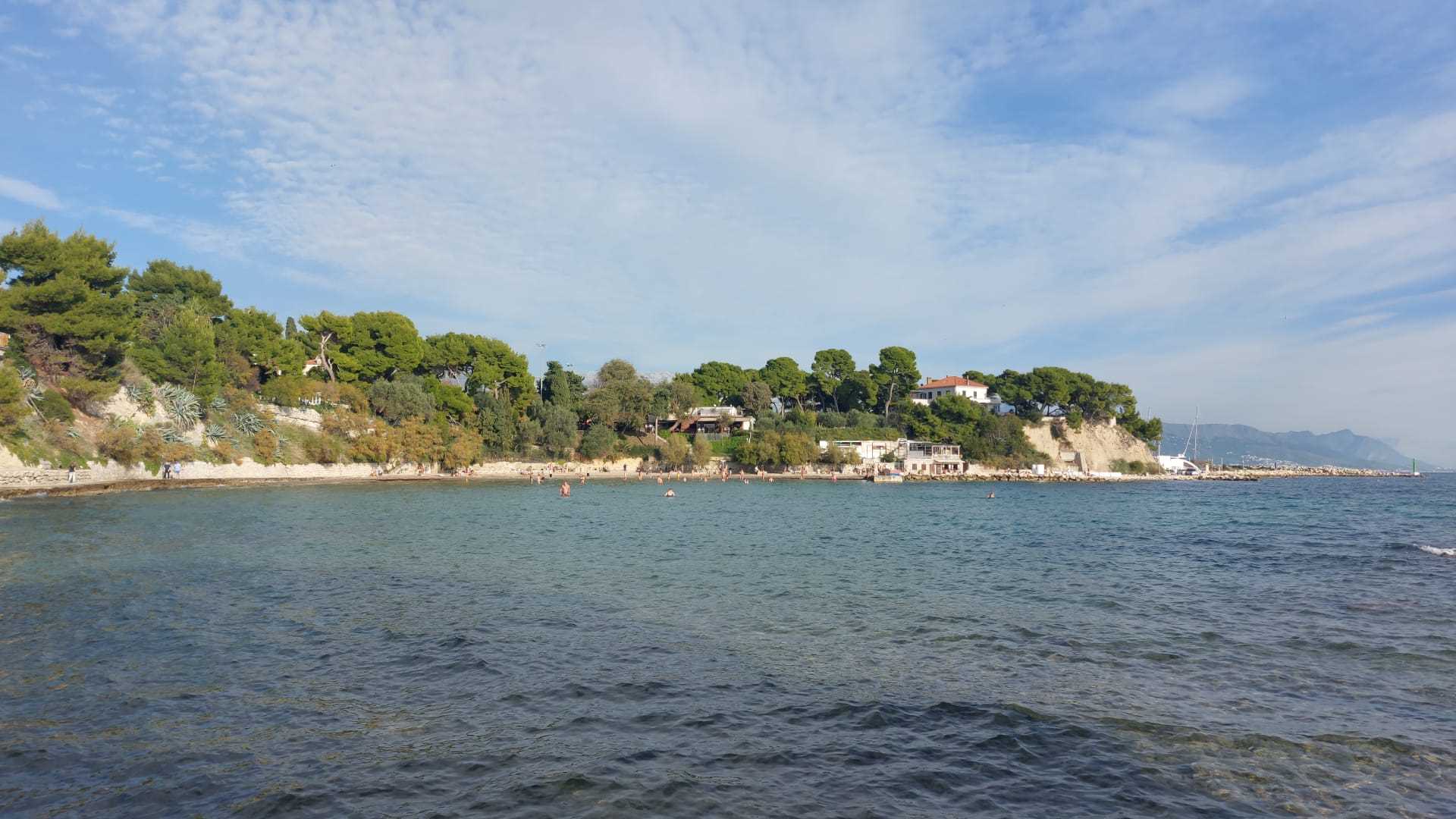
From a central apartment near Radunica or the Bačvice neighbourhood — where 3 Flowers properties are located — here is what you can reach on foot:
No taxi. No bus. No calculation. Just shoes.
This is the part that first-time visitors often underestimate. Split isn't just a destination — it's the gateway to some of the most beautiful islands in the Adriatic.
Hvar. Brač. Vis. Šolta. Korčula. All reachable by ferry or fast catamaran. All departing from the same port you can see from the Riva.
If you're staying centrally, a morning island trip becomes effortless. Check the Jadrolinija schedule the night before, walk down in the morning, come back sunburned and happy by evening. If you're staying out of town, that same trip involves coordinating transfers, taxis and timing — and suddenly it feels like an expedition rather than a pleasure.
The people who get the most out of Split are almost always the ones who use it as a base. And that only works if you're close to the port.
Diocletian's Palace is one of the most intact Roman structures in the world, and it happens to be a living neighbourhood — restaurants inside Roman walls, bars in old courtyards, locals hanging laundry from windows that are 1,700 years old.
The magic of the Palace is best experienced in the early morning before tour groups arrive, and in the evening when the day-trippers leave and locals take it back. If you're staying centrally, both of those windows are open to you. You can wander in at 7am with a coffee. You can stay for dinner and walk home in ten minutes.
If you're staying further out — in a resort hotel on the Stobreč coast, or in a villa up in the hills — you make a decision each time: go in, or don't. That friction adds up over a week.
We're not just making a case for charm. There's a practical argument too.
Split's summers are hot. Walking 25 minutes under a July sun with luggage or a beach bag is a different experience from walking 5 minutes. Taxis are easy to find, but they add cost and waiting time to every movement. And if you're travelling with children, elderly relatives, or anyone for whom every extra step matters — central becomes essential, not just preferable.
The other thing nobody mentions: Split's hills. The city climbs quickly away from the seafront. Some of the cheaper, more peripheral accommodation options sit up those hills. The views are often lovely. The walk back from dinner is less so, especially if you've enjoyed Dalmatian wine.
Not all of central Split is the same. And as someone who has lived in one of these neighbourhoods since 2011, I can give you a more honest comparison than most travel guides will.
Inside Diocletian's Palace is the obvious choice for a night or two — the atmosphere is extraordinary, and yes, the photos are stunning. But living above restaurants, summer concert crowds and the constant hum of tourism is a real trade-off. It's exciting for 48 hours. For a week, the noise and the activity become the backdrop to everything, including sleep.
Varoš gets a lot of love from visitors — it sits between Marjan Hill and the Old Town, which sounds ideal on a map. And it is beautiful, with its old stone lanes and Marjan forest just above. But Varoš is larger than it looks and lacks intimacy. It's also a genuine maze — narrow, hilly, and in parts built on slopes so steep you find yourself wondering how residents drag their groceries home, let alone a suitcase. For holiday visitors, that charm can curdle quickly on a hot afternoon.
Radunica is where I chose to live, and where our apartments are — and I'll admit I'm biased, but for good reason. It sits just south of the Old Town, close to Bačvice Beach, and it has the feel of a real neighbourhood: local shops, everyday cafés, residents who've been there for generations. What surprises people most is the quiet. I sometimes forget how close I am to all the summer energy — the concerts, the crowds, the buzzing Riva — because at home, I simply don't hear it. That buffer is something you can't find inside the Palace walls or on its busier fringes.
For most travellers, Radunica offers the rare combination: genuinely central, genuinely peaceful, genuinely local.
At 3 Flowers, we chose our locations deliberately. We're not a hotel group optimising for square footage. We're three women — two who travel regularly, one who has lived in Split since 2011 — who picked these apartments because we understood what guests actually need when they arrive somewhere new.
Being close to everything isn't a marketing line for us. It's the reason we're here.
If you'd like to check availability or have questions about the area, get in touch or book directly on our website. We're happy to help plan your stay — and unlike a booking platform, we'll actually reply with something useful.
3 Flowers Holiday Rentals operates apartments in central Split, 400 metres from Diocletian's Palace. All properties are within walking distance of the beach, the Old Town, and Split's main transport connections.